
The top Diablo games have shaped action RPGs for nearly three decades. Blizzard’s demon-slaying franchise created a genre and continues to set the standard for loot-driven gameplay. Each entry brings dark atmospheres, addictive combat loops, and endless hours of dungeon crawling. But which Diablo games deserve the highest praise? This guide ranks the best Diablo titles and helps players decide where to start their journey through Sanctuary.
Table of Contents
ToggleKey Takeaways
- The top Diablo games—Diablo II: Resurrected, Diablo III: Reaper of Souls, and Diablo IV—each offer unique strengths for different player preferences.
- Diablo II remains the gold standard for classic action RPG fans, with the 2021 Resurrected remaster making it accessible on modern hardware.
- Diablo IV delivers the darkest aesthetic and first open-world experience in the franchise, with ongoing seasonal content updates.
- Diablo III: Reaper of Souls transformed a troubled launch into one of the most polished action RPGs ever made through its loot overhaul and Adventure Mode.
- Great Diablo games succeed by nailing five core elements: dark atmosphere, rewarding loot systems, impactful combat, build diversity, and compelling endgame content.
- Choose your top Diablo entry based on whether you prefer classic RPG depth, modern open-world exploration, or fast arcade-style combat.
What Makes a Great Diablo Game
A top Diablo game delivers on several core elements that fans expect from the franchise.
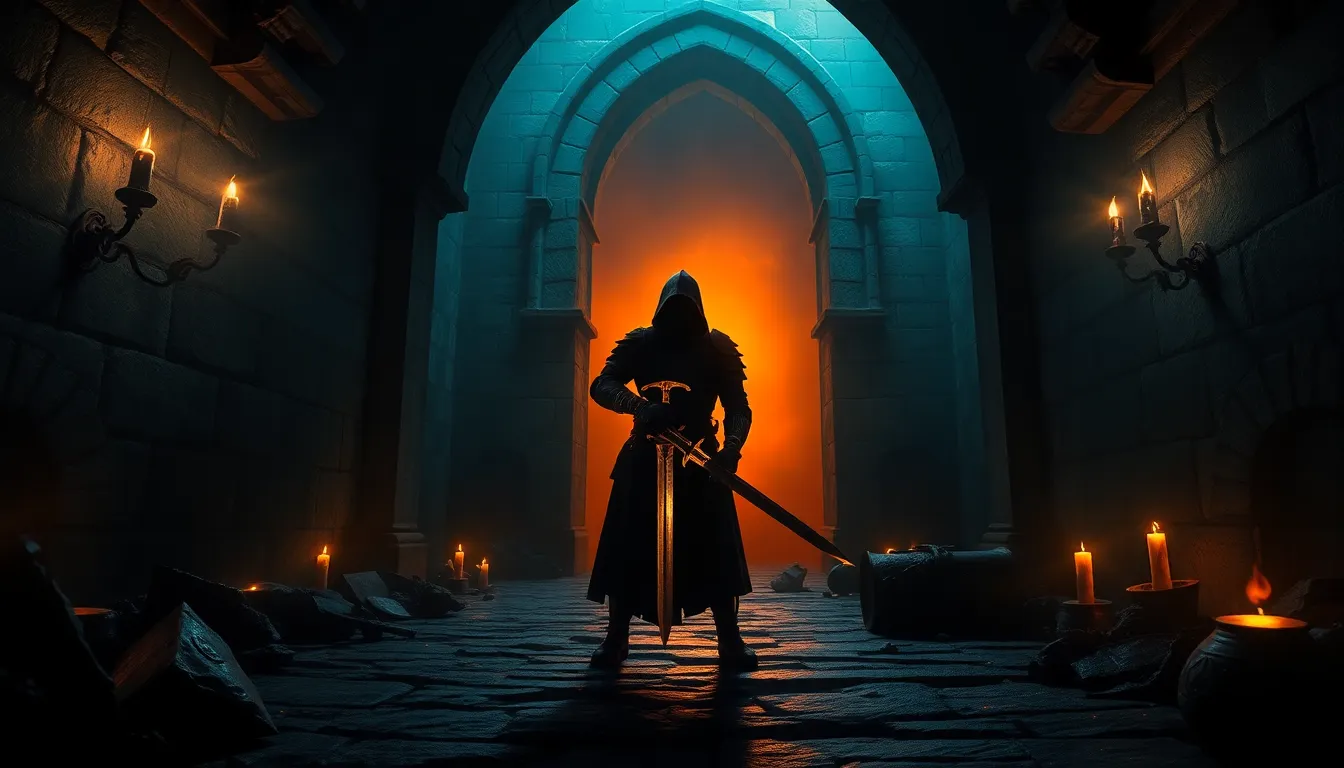
Atmosphere and tone matter tremendously. The series built its reputation on gothic horror, shadowy dungeons, and a constant sense of dread. The best entries nail this dark aesthetic without becoming cartoonish or overly bright.
Loot systems drive player engagement. Diablo invented the modern loot grind, and each game lives or dies by how satisfying it feels to find rare items. Great Diablo games make every legendary drop exciting. They balance randomization with meaningful progression so players always have something to chase.
Combat feel separates good entries from forgettable ones. Clicking through hordes of demons should feel impactful. Skills need visual weight. Enemies should react to attacks in satisfying ways. The top Diablo experiences create an almost meditative flow state where players lose hours without noticing.
Build diversity keeps the game fresh long-term. Players want multiple viable ways to construct their characters. A great Diablo title offers dozens of builds per class, encouraging experimentation and replayability.
Endgame content determines staying power. Story campaigns rarely exceed 20 hours. The real question is: what keeps players around after credits roll? Rifts, ladders, seasonal content, and challenging difficulty modes all contribute to longevity.
These elements combine to create the addictive loop that defines the franchise. Miss one, and the whole experience suffers.
The Best Diablo Games of All Time
Ranking top Diablo games requires weighing nostalgia against modern design. Here are the franchise’s best entries.
Diablo II: Lord of Destruction
Diablo II remains the gold standard for many fans. Released in 2000 with its expansion arriving in 2001, this game defined what action RPGs could be.
The skill tree system gave players meaningful choices. Each class offered distinct playstyles, a Necromancer raising armies felt completely different from a Barbarian cleaving through enemies. The item system introduced runewords and set bonuses that players still theorize about today.
Diablo II’s five acts told a compelling story across diverse environments. From the Rogue Encampment to the gates of Hell itself, the journey felt epic. Boss fights against Duriel, Mephisto, and Baal remain memorable decades later.
The 2021 Diablo II: Resurrected remaster brought the classic to modern hardware while preserving what made it special. New players can experience this top Diablo entry without dealing with outdated graphics.
Diablo IV
Diablo IV launched in June 2023 and immediately claimed its place among top Diablo titles. Blizzard learned from past mistakes and delivered a darker, grittier experience.
The open world represents the biggest departure from previous games. Players can explore Sanctuary freely, discovering world bosses, side dungeons, and random events. This structure breathes life into the setting in ways linear campaigns couldn’t achieve.
Graphically, Diablo IV sets new standards for the genre. Environments drip with detail. Character models look fantastic. The art direction successfully returns to the darker aesthetic fans missed in Diablo III.
Endgame systems continue to evolve through seasonal updates. Nightmare dungeons, Helltides, and the Paragon board give hardcore players plenty to optimize. The live-service model means content arrives regularly.
Diablo IV isn’t perfect. Some players criticize itemization decisions and balance issues. But Blizzard actively addresses feedback, and the core gameplay loop remains incredibly satisfying.
Diablo III: Reaper of Souls
Diablo III had a rough launch in 2012. The real-money auction house distorted the entire game economy. Loot felt unrewarding. Fans were disappointed.
Then Reaper of Souls changed everything. The 2014 expansion removed the auction house, overhauled loot systems, and added Adventure Mode. These changes transformed Diablo III into a top Diablo experience.
Rifts and Greater Rifts became the template for endgame content that Diablo IV would later adopt. Seasonal play introduced fresh goals every few months. The gameplay became fast, flashy, and endlessly replayable.
Critics argue Diablo III strayed too far from the series’ dark roots. The art style leaned colorful. The tone felt lighter. These complaints have merit, but the raw gameplay quality is undeniable. Diablo III remains one of the most polished action RPGs ever made.
How to Choose Which Diablo Game to Play
Selecting the right top Diablo game depends on personal preferences and circumstances.
Choose Diablo II: Resurrected if:
- Classic RPG systems appeal to you
- You want a challenging, old-school experience
- Build permanence matters (respecs are limited)
- Nostalgia drives your gaming choices
Choose Diablo IV if:
- Modern graphics and presentation are priorities
- You enjoy open-world exploration
- Live-service games with regular updates appeal to you
- Playing the newest entry in the franchise excites you
Choose Diablo III if:
- Fast, arcade-style combat sounds fun
- You want the smoothest new-player experience
- Console play matters (it runs great on controllers)
- Budget is a concern (frequently discounted)
Platform availability also factors into decisions. Diablo III runs on everything from Nintendo Switch to PC. Diablo IV requires more powerful hardware. Diablo II: Resurrected sits somewhere in between.
Multiplayer preferences matter too. All three support co-op, but the experiences differ. Diablo IV’s shared world feels more MMO-like. Diablo II and III offer more traditional party-based sessions.
Honestly, there’s no wrong choice. Each top Diablo game delivers dozens of hours of demon-slaying entertainment. Many fans play all three depending on their mood.