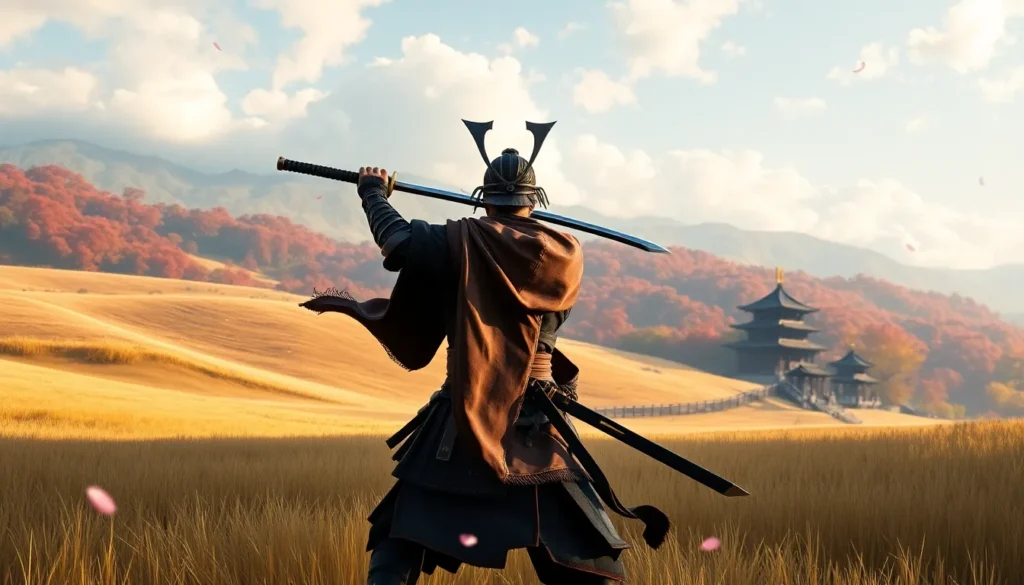

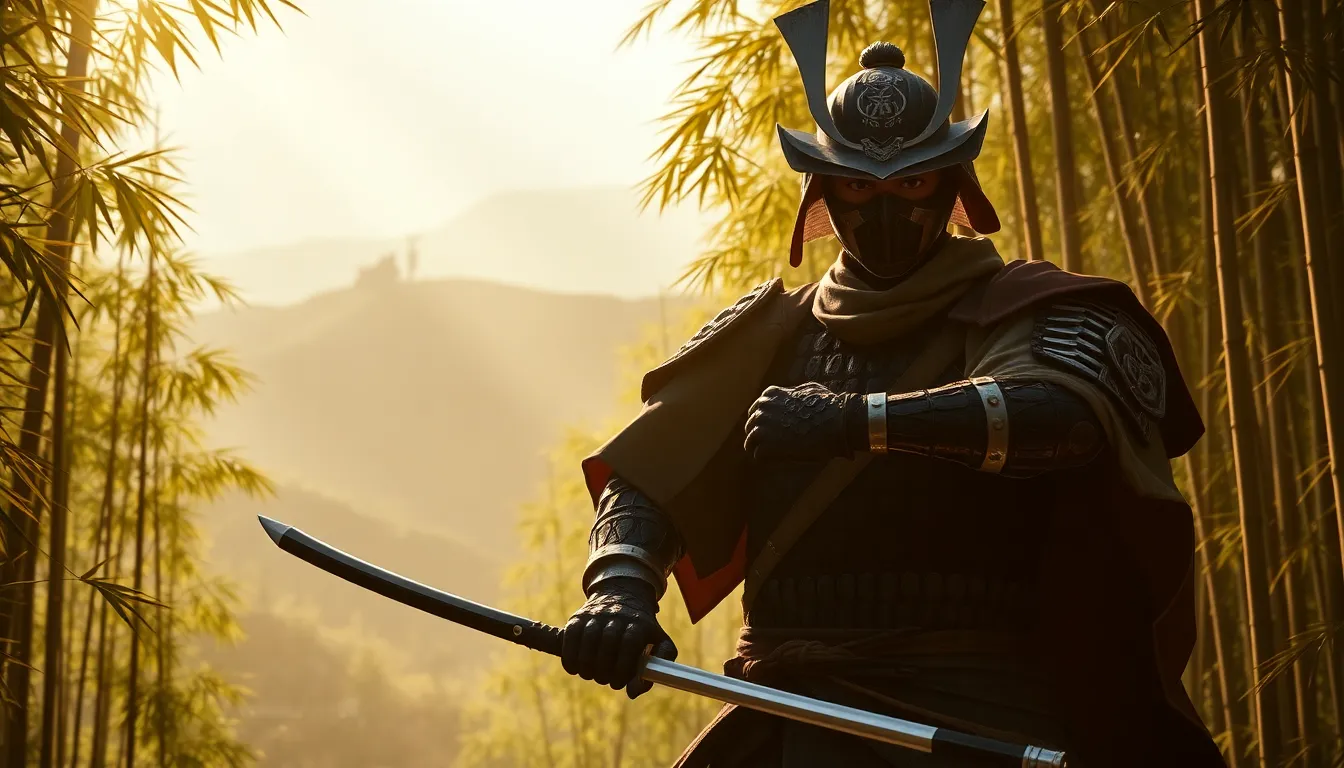
Finding the best Ghost of Tsushima setup can transform a good playthrough into a great one. This action-adventure game from Sucker Punch Productions offers deep customization options that affect combat, exploration, and overall enjoyment. Players can adjust difficulty settings, experiment with combat builds, and equip charms that match their playstyle. This guide covers the best Ghost of Tsushima configurations for difficulty, combat stances, equipment loadouts, and exploration strategies. Whether players prefer honorable samurai combat or stealthy ghost tactics, these recommendations will help them get the most from their time on Tsushima Island.
Table of Contents
ToggleKey Takeaways
- The best Ghost of Tsushima difficulty setting depends on your playstyle—Lethal offers realistic samurai tension, while Medium suits first-time players.
- Master all four combat stances (Stone, Water, Wind, Moon) early to counter every enemy type effectively.
- Combine charms strategically: combat-focused players should use Charm of Mizu-no-Kami, while stealth players benefit from Charm of Shadows.
- Complete Mythic Tales early to unlock legendary techniques like Heavenly Strike, one of the best combat moves in the game.
- Follow golden birds and explore Fox Dens to maximize charm slots and discover hidden rewards across Tsushima Island.
- Use Traveler’s Attire during exploration and switch to Ghost Armor or Samurai Clan Armor before combat for optimal results.
Best Difficulty and Game Settings
The best Ghost of Tsushima difficulty setting depends on player experience and goals. Four difficulty options exist: Easy, Medium, Hard, and Lethal. Each changes enemy aggression, damage dealt, and damage received.
Easy works well for players focused on story and exploration. Enemies attack less frequently and deal reduced damage. Combat feels forgiving, letting players enjoy the cinematic moments without frustration.
Medium offers balanced gameplay. It provides challenge without punishing mistakes too harshly. Most first-time players should start here.
Hard increases enemy aggression significantly. Parry timing becomes stricter, and enemies deal more damage. This setting rewards players who master the combat system.
Lethal creates the most realistic samurai experience. Both Jin and enemies die quickly, usually in one to three hits. This mode demands precise timing and smart engagement choices. It’s the best Ghost of Tsushima setting for players who want tension in every encounter.
Beyond difficulty, several game settings improve the experience:
- Kurosawa Mode adds black-and-white visuals with film grain. It creates a classic samurai movie aesthetic.
- Japanese Audio with English subtitles provides authentic voice acting. Many players consider this the best Ghost of Tsushima audio option.
- Guiding Wind replaces traditional waypoint markers. Players swipe the touchpad to summon wind that points toward objectives. This keeps the screen clean and immersion intact.
- Expert HUD removes most interface elements. It forces players to rely on visual and audio cues during combat.
Best Combat Builds and Stances
Combat in Ghost of Tsushima revolves around four stances. Each stance counters a specific enemy type. Mastering all four gives players an advantage in every fight.
Stone Stance works best against swordsmen. Its heavy attacks break through basic guards quickly. Players unlock this stance from the start.
Water Stance excels against shieldmen. Its flowing attacks slip past shields and stagger enemies. The best Ghost of Tsushima players switch to Water Stance immediately when shields appear.
Wind Stance counters spearmen effectively. It uses wide sweeping attacks that interrupt long-reaching weapons. Spearmen become much easier once Wind Stance is unlocked.
Moon Stance dominates brutes and heavy enemies. Its powerful strikes break through their armor. Moon Stance also works well against multiple enemies due to its wide attack range.
The best Ghost of Tsushima combat build combines stance mastery with ghost weapons. Here’s a balanced setup:
- Primary Focus: Unlock all four stances early by observing and killing Mongol leaders.
- Ghost Weapons: Equip kunai for quick damage and smoke bombs for escape or stealth kills.
- Resolve Management: Prioritize techniques that build resolve quickly. Resolve powers healing and special attacks.
- Perfect Parry: Practice parry timing on Hard or Lethal difficulty. Perfect parries create openings for devastating counter-attacks.
For aggressive players, invest in the Samurai technique tree. Focus on chained attacks and resolve-building moves. Defensive players should prioritize the Ghost tree for tools that control enemy positioning and create stealth opportunities.
Best Charms and Equipment Combinations
Charms provide passive bonuses that shape playstyle. Players can equip multiple charms simultaneously, creating powerful combinations. Finding the best Ghost of Tsushima charm setup requires understanding synergies.
Charms for Combat-Focused Players
- Charm of Inari: Increases supplies, predator hides, and bamboo collected. This speeds up equipment upgrades.
- Charm of Mizu-no-Kami: Boosts damage while dodging. Perfect for aggressive players who stay mobile.
- Charm of Dual Destruction: Increases standoff streak by two. Standoffs can eliminate multiple enemies before combat begins.
Charms for Stealth Players
- Charm of Shadows: Enemies detect Jin more slowly. Essential for ghost-style gameplay.
- Charm of Toxic Demise: Enemies killed by poison release a toxic cloud. This creates chain reactions during stealth infiltration.
- Charm of Fortune: Gives a chance to receive double resources. It pairs well with stealth approaches that involve looting enemy camps.
Best Ghost of Tsushima Equipment
Armor selection matters as much as charms. Each armor set offers unique bonuses:
- Samurai Clan Armor: Increases melee damage and health. Best for direct combat.
- Ghost Armor: Reduces enemy detection speed and increases ghost weapon damage. Ideal for stealth builds.
- Traveler’s Attire: Reveals artifacts and collectibles on the map. Use it during exploration sessions.
- Kensei Armor: Boosts resolve gains and ghost weapon damage. It supports a hybrid playstyle.
Players should upgrade armor at armorsmiths using supplies and materials. Fully upgraded Ghost Armor makes stealth kills nearly instant and keeps Jin hidden even during risky maneuvers.
Best Strategies for Exploration and Side Content
Tsushima Island contains hundreds of collectibles, side quests, and hidden locations. Efficient exploration requires smart strategies.
Follow the Golden Birds. These birds appear randomly and lead players to hidden shrines, collectibles, or supplies. The best Ghost of Tsushima explorers never ignore a golden bird.
Use the Traveler’s Attire. This armor reveals nearby artifacts on the map. Switch to it when exploring new regions, then change back to combat armor before engagements.
Complete Mythic Tales Early. These special quests reward legendary techniques and equipment. The Heavenly Strike technique from “The Heavenly Strike” tale is one of the best Ghost of Tsushima combat moves. It deals massive damage and breaks enemy guards.
Liberate Mongol Territories Systematically. Each region contains Mongol camps and occupied farmsteads. Liberating them unlocks fast travel points and reduces enemy patrols. Work through one region completely before moving to the next.
Visit Hot Springs and Bamboo Strikes. Hot springs permanently increase maximum health. Bamboo strikes boost maximum resolve. Both make combat easier in the long run.
Don’t Skip Tales of Tsushima. These side quests develop supporting characters and reward technique points, charms, and equipment. They also contain some of the game’s best storytelling moments.
Explore Fox Dens. Following foxes leads to Inari shrines. Each shrine increases charm slots, letting players equip more passive bonuses. Maxing out charm slots creates the best Ghost of Tsushima builds possible.
For completionists, the game tracks progress through the Journal menu. Check it regularly to see which collectibles remain in each region.