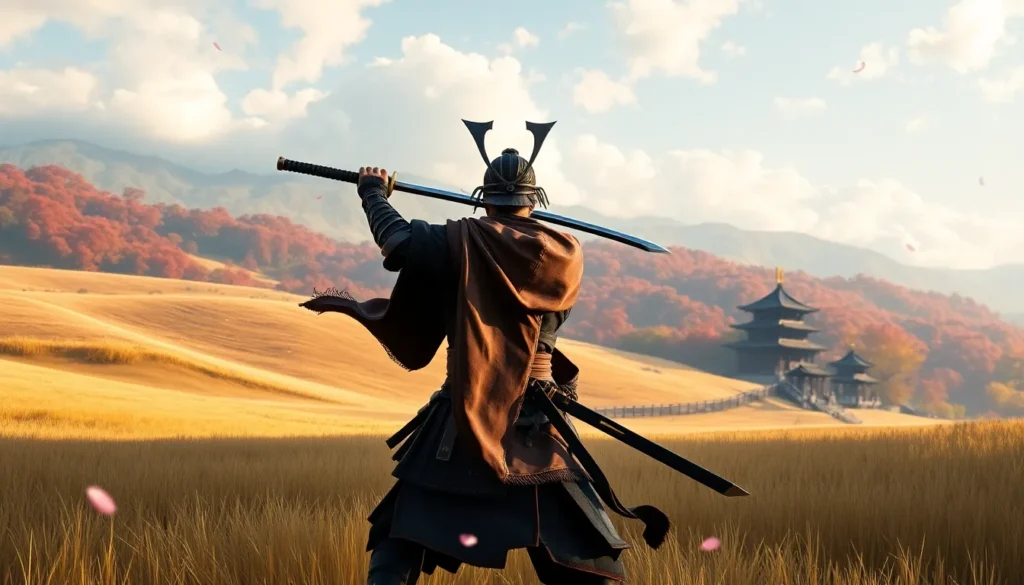


Diablo changed action RPGs forever. When Blizzard Entertainment released the first game in 1996, players discovered a dark, addictive world filled with demons, loot, and endless dungeon crawling. The franchise has since sold tens of millions of copies and inspired countless imitators. Whether someone is a veteran who remembers clicking through the original Cathedral or a newcomer curious about Diablo IV, this guide covers everything they need to know. From the series’ humble origins to essential gameplay tips, here’s a deep jump into one of gaming’s most beloved franchises.
Table of Contents
ToggleKey Takeaways
- Diablo revolutionized the action RPG genre in 1996 with its addictive loot system, dark atmosphere, and randomized dungeon crawling.
- The franchise has evolved across four main titles, with Diablo IV (2023) returning to darker roots while introducing open-world exploration and seasonal content.
- Core gameplay revolves around choosing a class, fighting monsters, collecting loot, and scaling difficulty—a simple loop that rewards hundreds of hours of play.
- The series takes place in Sanctuary, where the Eternal Conflict between Heaven and Hell drives the narrative featuring iconic villains like the Prime Evils and Lilith.
- New players should choose a class based on personal enjoyment, experiment with skills freely, and engage with the community for tips and faster progression.
- Seasonal content in Diablo III and IV offers fresh starts and exclusive rewards, keeping the experience engaging for veteran players.
The Origins and Evolution of Diablo
Blizzard North developed the original Diablo and released it on December 31, 1996. The game introduced players to the town of Tristram, a small village plagued by evil forces emanating from the cathedral above. Players chose from three classes, Warrior, Rogue, or Sorcerer, and descended through 16 levels of randomized dungeons to defeat the Lord of Terror himself.
Diablo struck a nerve with gamers. Its dark Gothic atmosphere, satisfying loot system, and addictive gameplay loop created a formula that still works today. The game sold over 2.5 million copies and established Blizzard as a powerhouse developer.
Diablo II arrived in 2000 and expanded everything. Five playable classes (later seven with the Lord of Destruction expansion) gave players more options. The game world grew from a single dungeon to four sprawling acts across different environments. Skill trees, runewords, and improved multiplayer transformed Diablo II into a phenomenon. Many fans still consider it the pinnacle of the series.
Diablo III launched in 2012 after years of anticipation. The game introduced a more colorful art style that divided fans, along with a controversial real-money auction house. Blizzard eventually removed the auction house and released the Reaper of Souls expansion in 2014. These changes redeemed the game for many players.
Diablo IV arrived in June 2023 with a return to the series’ darker roots. The open-world design, shared online spaces, and seasonal content model brought the franchise into the modern era. Diablo continues to evolve while keeping its core identity intact.
Core Gameplay Mechanics That Define the Series
Every Diablo game shares certain DNA. Players pick a class, fight through hordes of monsters, collect loot, and grow more powerful. This loop sounds simple, but execution makes all the difference.
Classes form the foundation of any Diablo experience. Each game offers distinct options with unique playstyles. The Barbarian has appeared in multiple entries, offering straightforward melee combat. The Necromancer commands undead armies. The Sorceress (or Wizard) devastates enemies with elemental magic. Choosing a class that matches someone’s preferred playstyle matters.
Loot drives everything in Diablo. Killing monsters drops items of varying rarity, common, magic, rare, legendary, and unique. Better gear means more damage, survivability, and access to harder content. The thrill of finding that perfect drop keeps players grinding for hundreds of hours.
Diablo games feature randomized elements that boost replayability. Dungeons generate differently each time. Item stats roll within ranges, making each drop potentially exciting. This randomization means two players can have completely different experiences.
Difficulty scaling rewards skilled and dedicated players. Normal difficulty lets newcomers enjoy the story. Higher difficulties like Torment (in Diablo III) or World Tiers (in Diablo IV) offer better loot at the cost of tougher enemies. Endgame content pushes players to optimize their builds and gear.
Multiplayer has always been central to Diablo. Players can team up with friends to tackle dungeons faster. Trading rare items creates an in-game economy. PvP exists in various forms across the series, though it’s never been the primary focus.
Exploring the Diablo Universe and Lore
Diablo takes place in the world of Sanctuary, a dark fantasy setting created by the union of an angel and a demon. The Eternal Conflict between Heaven and Hell provides the backdrop for all the games’ events.
The Prime Evils sit at the center of Diablo’s story. Diablo, the Lord of Terror, gives the series its name. His brothers Mephisto (Lord of Hatred) and Baal (Lord of Destruction) complete the trio. These demons constantly scheme to corrupt Sanctuary and humanity.
The Horadrim, an ancient order of mages, once captured the Prime Evils in soulstones. The original game begins when Diablo breaks free from his imprisonment beneath Tristram’s cathedral. Each subsequent game continues this struggle between mortals and demonic forces.
Diablo IV introduces Lilith as its primary antagonist. She’s the daughter of Mephisto and one of Sanctuary’s creators. Her return brings new threats and moral complexity to the series. Players discover that the line between good and evil blurs more than previous games suggested.
The lore extends beyond the games themselves. Novels, comics, and in-game books flesh out Sanctuary’s history. Dedicated fans have spent years piecing together timelines and character relationships. This depth rewards those who want more than just demon slaying.
Tips for New and Returning Players
Starting a new Diablo game can feel overwhelming. Here are practical tips to get the most out of the experience.
Pick a class that sounds fun, not necessarily one that’s “meta.” Build guides help optimize performance, but Diablo is most enjoyable when playing a character that clicks personally. Someone can always create additional characters later.
Don’t hoard every item. New players often save everything, filling their stash with gear they’ll never use. Salvage or sell items regularly. Focus on keeping pieces that actually improve the current build.
Experiment with skills before committing. Diablo games let players respec their characters with varying costs. Trying different abilities helps identify what works best against specific enemy types.
Join the community. Reddit, Discord servers, and official forums contain experienced players willing to help newcomers. Asking questions saves time and frustration. Plus, grouping with others makes farming faster.
Pay attention to seasonal content in Diablo III and IV. Seasons reset progress but offer exclusive rewards and fresh starts. Many veteran players prefer seasonal play because it keeps the experience interesting.
Finally, take breaks. Diablo games encourage long sessions, but burnout happens. Playing in moderation keeps the experience enjoyable rather than exhausting.