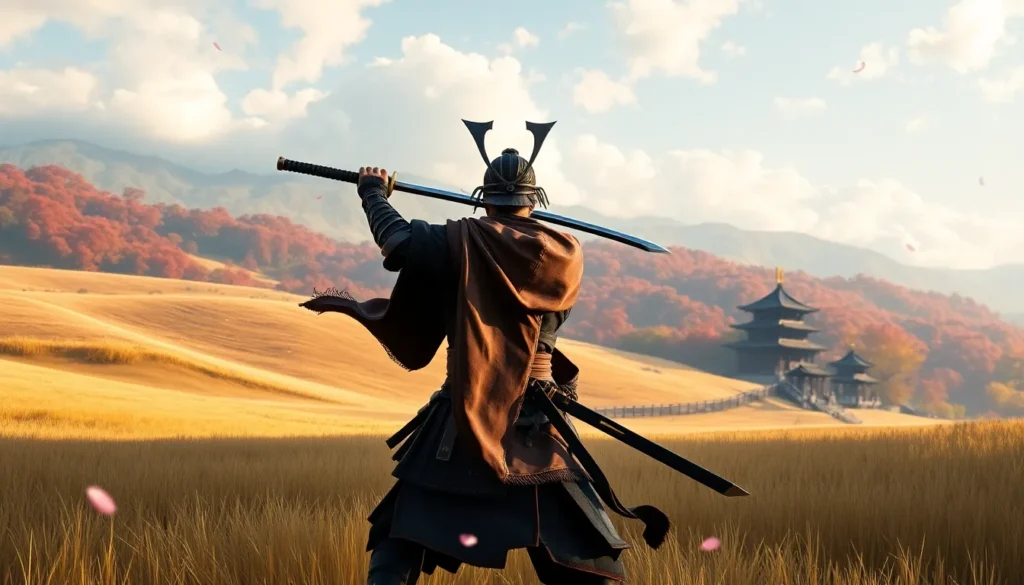


Diablo examples showcase why this action RPG series has captivated millions of players since 1996. From demon-slaying combat to legendary loot drops, the franchise delivers memorable gameplay moments across every installment. Blizzard Entertainment created a formula that blends fast-paced action, deep character customization, and addictive item hunting. This article explores the most iconic Diablo examples, from classic gameplay mechanics to boss fights that players still discuss today. Whether someone played Diablo II in the early 2000s or jumped into Diablo IV recently, these examples highlight what makes the series special.
Table of Contents
ToggleKey Takeaways
- Diablo examples span nearly three decades of gameplay evolution, from Diablo I’s dungeon crawling to Diablo IV’s open-world design.
- Character builds like Necromancer summoners, Sorceress elemental masters, and Barbarian melee fighters showcase the series’ deep customization options.
- Iconic boss encounters such as The Butcher, Duriel, and Diablo himself remain memorable for their difficulty and atmospheric design.
- Loot systems featuring Unique items, Runewords, and Set bonuses create the addictive “just one more run” gameplay loop.
- Endgame content including Greater Rifts, Nightmare Dungeons, and seasonal resets keeps players engaged long after completing the main story.
- These Diablo examples demonstrate why Blizzard’s action RPG formula continues to captivate millions of players worldwide.
Classic Diablo Gameplay Examples
The Diablo series established core gameplay patterns that define the action RPG genre. Players click to move, attack enemies, and collect loot in real-time combat. This simple loop creates hours of engagement.
Diablo I introduced dungeon crawling beneath the town of Tristram. Players descended through 16 levels of increasingly difficult monsters. The atmosphere combined Gothic horror with fantasy elements. Each floor presented new enemy types and environmental hazards.
Diablo II expanded the formula with five distinct acts. Players traveled from deserts to jungles to Hell itself. The game introduced waypoints for fast travel and town portals for quick escapes. These Diablo examples of quality-of-life features became industry standards.
Diablo III added destructible environments and more dynamic combat. Enemies could burst through walls. Chandeliers could fall on groups of demons. The game made combat feel more interactive and visually satisfying.
Diablo IV returned to darker themes while keeping fluid combat. The open-world structure allowed players to explore at their own pace. World bosses and public events brought players together in shared spaces. These classic Diablo examples show how the series evolved while keeping its core identity intact.
Notable Character Builds and Playstyles
Character building represents one of the best Diablo examples of player creativity. Each game offers multiple classes with distinct abilities and playstyles.
The Necromancer class demonstrates summoner gameplay at its finest. Players can raise armies of skeletons and golems. Corpse Explosion turns dead enemies into weapons against living ones. This class rewards strategic positioning and resource management.
The Sorceress showcases elemental mastery. Frozen Orb builds dominated Diablo II multiplayer. Meteor builds delivered massive burst damage. Lightning builds cleared screens of enemies in seconds. Each element offered different strengths and weaknesses.
The Barbarian provides straightforward melee combat. Whirlwind builds spin through enemy groups. Frenzy builds stack attack speed to ridiculous levels. Leap builds turn mobility into damage. The class appeals to players who want direct action.
Diablo III’s Monk introduced combo-based combat. Spirit generators built resources. Spirit spenders unleashed powerful attacks. The rhythm of building and spending created engaging gameplay loops.
Diablo IV expanded build diversity with skill trees and Paragon boards. Players can customize their characters in thousands of combinations. These Diablo examples of build variety keep players experimenting for hundreds of hours.
Memorable Boss Encounters
Boss fights provide some of the most talked-about Diablo examples in gaming history. These encounters test player skill and gear in intense combat scenarios.
The Butcher in Diablo I terrified early players. His greeting, “Ahh, fresh meat.”, became iconic. The small room left little space to dodge. Many players died on their first attempt. This boss taught players that preparation matters.
Duriel in Diablo II Act II earned a reputation for difficulty. The cramped tomb entrance gave players no room to maneuver. His freezing attacks slowed movement to a crawl. Hardcore characters died here regularly. Players learned to bring thawing potions.
Diablo himself presents the ultimate challenge in each game. His lightning attacks, fire novas, and bone prisons require constant movement. The fight feels climactic and earned. Defeating him provides genuine satisfaction.
Baal from the Diablo II expansion tests endurance. His waves of minions wear down resources before the main fight. His clone ability confuses targeting. The Worldstone Chamber setting adds weight to the encounter.
Diablo IV introduced world bosses like Ashava and Wandering Death. These encounters require multiple players and spawn on schedules. They drop valuable loot and create memorable community moments. These Diablo examples of boss design show Blizzard’s skill at creating challenging content.
Loot and Item System Examples
Loot systems define the Diablo experience. Finding a perfect item creates genuine excitement. The anticipation of what might drop keeps players farming for hours.
Unique items offer specific stat combinations and special abilities. Shako (Harlequin Crest) became one of the most sought-after helms in Diablo II. Its combination of skills, life, and magic find made it universally useful. Players traded high values for this single item.
Runewords in Diablo II added crafting depth. Combining specific runes in specific item bases created powerful equipment. “Enigma” gave any class teleportation. “Grief” dealt massive damage. Finding high runes became its own endgame pursuit.
Set items reward collecting multiple pieces. Tal Rasha’s set boosted Sorceress power significantly. The Immortal King set defined Barbarian gameplay. Completing a set felt like an achievement.
Diablo III introduced smart loot that favored class-appropriate drops. Legendary items gained special powers through affixes. Ancient and Primal versions offered higher stats. The Kanai’s Cube let players extract powers from items.
Diablo IV brought back trading and added Unique items with build-defining effects. Aspects allow players to transfer powers between items. These Diablo examples of loot design create the “just one more run” feeling that defines the series.
Endgame Content and Challenges
Endgame systems extend playtime beyond the main story. These Diablo examples show how the series keeps players engaged long-term.
Diablo II’s ladder system reset progress periodically. Players raced to reach high levels and find rare items. The competition created urgency and community engagement. Ladder-only runewords provided exclusive rewards.
Ubers in Diablo II Lord of Destruction offered the hardest content. Players collected keys to open portals to super-bosses. Defeating all three unlocked the Pandemonium event. The Hellfire Torch charm rewarded successful attempts.
Diablo III’s Greater Rifts introduced scaling difficulty. Players pushed higher levels for better rewards and leaderboard rankings. Each rift had a time limit that created pressure. Augmenting ancient items with Caldesann’s Despair added progression layers.
Seasons in both Diablo III and Diablo IV provide fresh starts. New characters begin with nothing. Season journeys guide players through objectives. Exclusive rewards incentivize participation.
Diablo IV added Nightmare Dungeons with affixes that modify difficulty. Helltide events transform zones into dangerous areas with special currency. The Pit offers endgame scaling similar to Greater Rifts. World Tiers let players choose their challenge level.
These Diablo examples of endgame content keep the community active between major updates. The systems reward dedicated players while remaining accessible to casual ones.