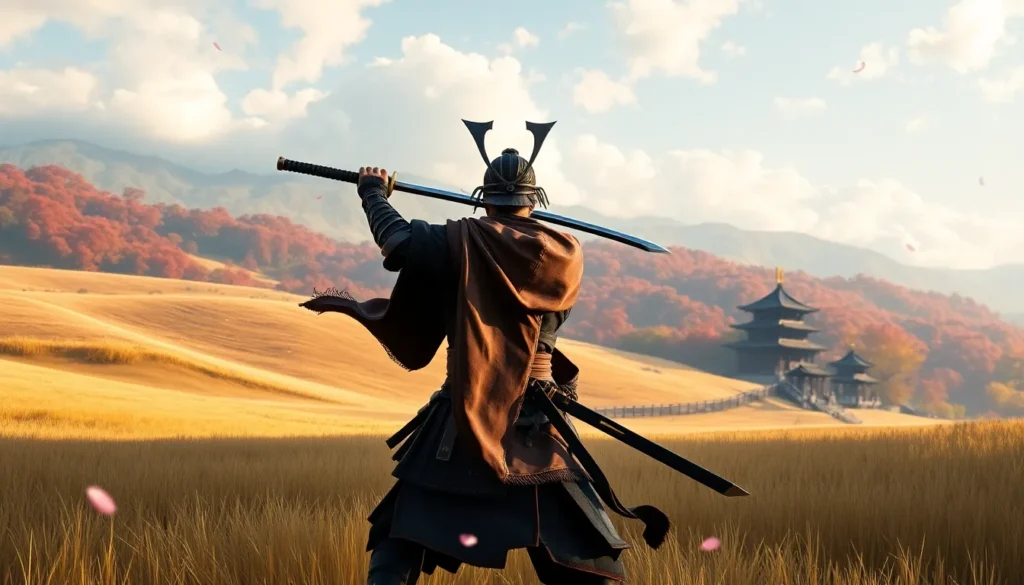

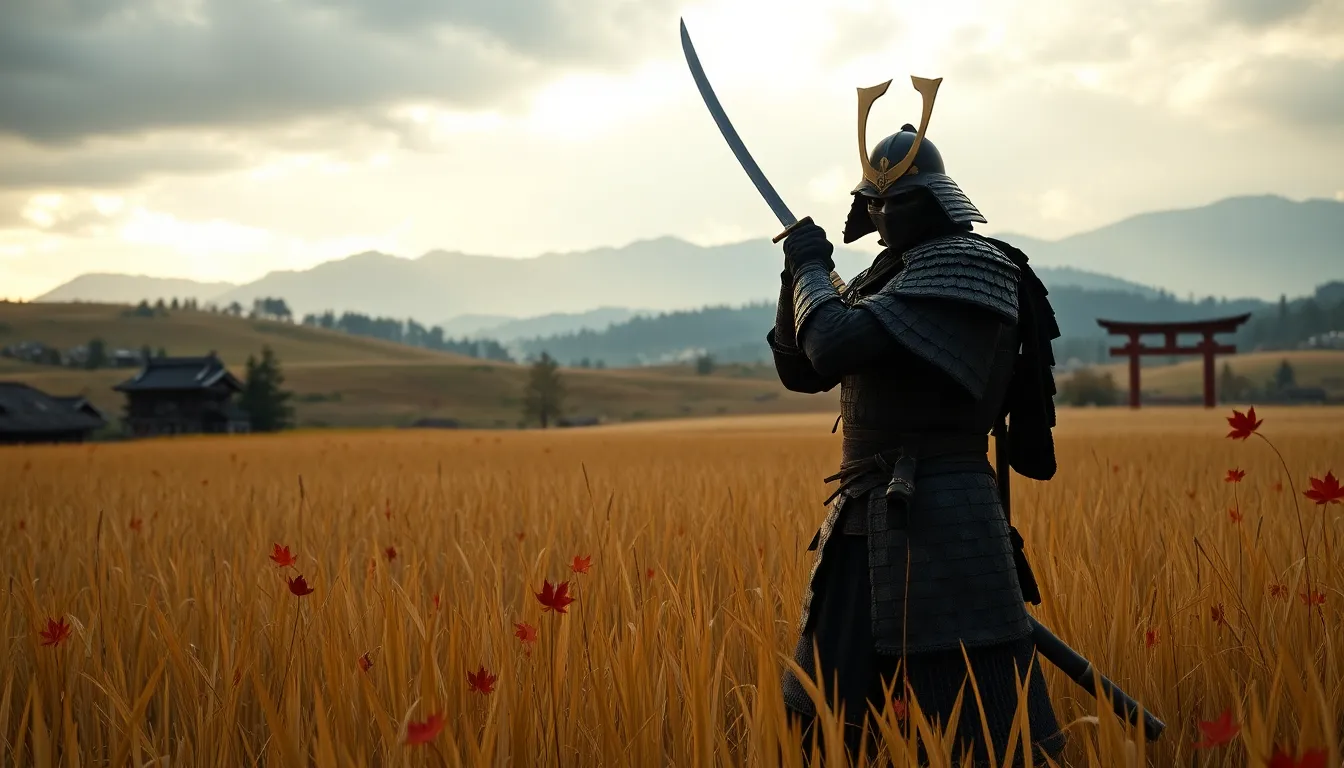
Ghost of Tsushima delivers one of the most visually stunning and emotionally gripping samurai experiences in modern gaming. Developed by Sucker Punch Productions and released in 2020, this action-adventure game drops players onto the island of Tsushima during the first Mongol invasion of Japan in 1274. Players control Jin Sakai, a samurai warrior who must abandon traditional honor codes to save his homeland. The game earned widespread praise for its combat, open world, and cinematic presentation. This guide covers everything players need to know about Ghost of Tsushima, from its historical setting to its multiplayer modes.
Table of Contents
ToggleKey Takeaways
- Ghost of Tsushima immerses players in 13th-century feudal Japan during the first Mongol invasion, blending historical fiction with cinematic samurai action.
- Combat revolves around four sword stances, each designed to counter specific enemy types, alongside stealth tactics and Ghost weapons.
- The innovative Guiding Wind system replaces traditional UI markers, using natural elements like wind, birds, and foxes to encourage organic exploration.
- Players can deeply customize Jin’s playstyle through technique trees, charms, and armor sets that favor either samurai honor or Ghost stealth.
- Legends Mode offers free cooperative multiplayer with four unique classes, supernatural enemies, and challenging raids inspired by Japanese mythology.
Story and Setting of Feudal Japan
Ghost of Tsushima takes place during the Mongol invasion of 1274, a real historical event that shaped Japanese military history. The game opens with the devastating Battle of Komoda Beach, where Mongol forces led by Khotun Khan slaughter most of the samurai defenders. Jin Sakai survives the massacre and embarks on a mission to liberate Tsushima from Mongol control.
The story forces Jin to confront a difficult choice. Samurai honor demands direct combat and fair duels. But the Mongols fight without such rules, they use poison, deception, and overwhelming numbers. Jin must decide whether to remain a traditional samurai or become something new: the Ghost.
This internal conflict drives the narrative forward. Jin’s uncle, Lord Shimura, represents the old ways. He raised Jin after his father’s death and taught him the samurai code. Their relationship becomes strained as Jin adopts increasingly dishonorable tactics to defeat the invaders.
Ghost of Tsushima builds a cast of memorable supporting characters. Yuna, a thief who saves Jin’s life, introduces him to guerrilla warfare. Sensei Ishikawa, a master archer, struggles with a former student who betrayed him. Lady Masako seeks revenge against those who murdered her family. Each character has a dedicated quest line that expands the world and Jin’s abilities.
The setting itself functions as a character. Tsushima Island features forests, mountains, farmlands, and coastal villages. The developers consulted historical records to create an authentic 13th-century Japanese environment. Players encounter shrines, hot springs, Shinto temples, and Buddhist monasteries throughout their journey.
Gameplay Mechanics and Combat System
Combat in Ghost of Tsushima blends samurai swordplay with stealth assassination techniques. The game gives players two distinct approaches, and rewards mastery of both.
Stance-based combat forms the foundation of direct confrontation. Jin learns four sword stances throughout Ghost of Tsushima, each designed to counter specific enemy types. Stone Stance works best against swordsmen. Water Stance breaks through shields. Wind Stance handles spearmen effectively. Moon Stance devastates brute enemies. Switching stances mid-fight becomes essential during encounters with mixed enemy groups.
Parrying and dodging require precise timing. A perfect parry opens enemies to devastating counterattacks. Players can also initiate standoffs, tense one-on-one duels where a single strike determines the outcome. These moments capture the spirit of classic samurai cinema.
Ghost of Tsushima rewards players who embrace stealth equally. Jin can crouch through tall grass, assassinate enemies from behind, and use distractions to separate groups. Ghost weapons expand these options: kunai throwing knives, smoke bombs, sticky bombs, and wind chimes all serve tactical purposes.
The progression system lets players customize their playstyle. Technique points unlock new abilities in both samurai and ghost skill trees. Charms provide passive bonuses, some boost combat damage while others improve stealth. Players can equip different armor sets that offer distinct advantages. The Traveler’s Attire reveals collectibles on the map. The Ronin Attire improves melee damage. Ghost Armor enhances stealth capabilities.
Boss fights test everything players have learned. Mongol generals and rival warriors demand pattern recognition, quick reflexes, and strategic stance selection. These duels rank among the most satisfying encounters in Ghost of Tsushima.
Exploration and Open World Design
Ghost of Tsushima approaches open world design differently than most games. The developers stripped away traditional UI clutter to create an immersive experience.
The Guiding Wind system replaces waypoint markers. Players swipe up on the controller’s touchpad, and the wind shifts to point toward their selected destination. Leaves, grass, and particles all flow in that direction. It’s elegant and keeps players focused on the environment rather than a minimap.
Natural elements guide exploration throughout Ghost of Tsushima. Yellow birds lead to hidden locations. Foxes guide players to Inari Shrines. Golden fireflies appear near collectibles at night. These design choices encourage organic discovery instead of checkbox hunting.
The island contains hundreds of activities and secrets. Bamboo Strikes test button-input speed and reward players with increased resolve (a resource used for special attacks and healing). Hot springs boost maximum health and feature Jin reflecting on recent events. Haiku composition spots let players create poems by selecting phrases, the results determine new cosmetic headbands.
Shinto Shrines present platforming challenges. Players must climb, jump, and grapple through natural obstacles to reach these locations. The rewards include major charms that significantly affect gameplay.
Mongol territories require liberation. Each camp, fort, and village has Mongol presence that players must eliminate. Clearing these locations restores Japanese control and unlocks fast travel points, merchants, and additional quests.
Photo Mode deserves special mention. Ghost of Tsushima is staggeringly beautiful, and the developers included extensive photography tools. Players can adjust weather, time of day, wind intensity, particle effects, and camera settings. The community has produced thousands of striking images using these features.
Multiplayer and Legends Mode
Legends Mode adds cooperative multiplayer to Ghost of Tsushima. Released as a free update in October 2020, this mode offers a completely different experience from the main campaign.
Legends draws from Japanese mythology rather than historical fiction. Players choose from four classes: Samurai, Hunter, Ronin, and Assassin. Each class has unique abilities and playstyles. Samurai excel at direct combat and can heal through aggression. Hunters specialize in ranged attacks with supernatural bows. Ronins provide team support and healing. Assassins deal massive damage from stealth.
Story missions in Legends Mode support two players. These missions feature supernatural enemies, Oni demons, Tengu crow warriors, and corrupted spirits. The narrative follows four legendary warriors rather than Jin Sakai.
Survival mode supports up to four players. Teams defend locations against waves of enemies across increasingly difficult rounds. Bonus objectives appear throughout each wave, rewarding players who complete them with extra currency.
Raids represent the ultimate challenge in Ghost of Tsushima Legends. These three-chapter missions require four coordinated players working together. The Tale of Iyo raid tests communication and skill with complex puzzles and brutal combat encounters.
Gear progression in Legends follows looter mechanics. Players earn equipment with randomized stats and perks. Higher difficulty levels drop better gear. The system gives players reasons to replay content and refine their builds.
Nightmare difficulty adds weekly modifiers that change how missions play. One week might feature enemies that explode on death. Another might restrict healing. These variations keep the multiplayer fresh for dedicated players.