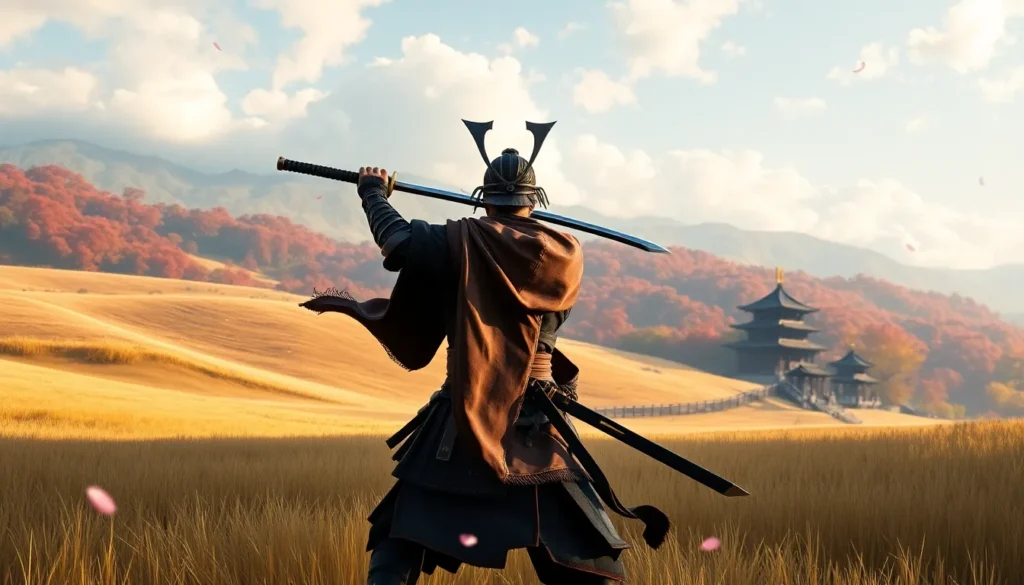


Ghost of Tsushima examples showcase some of the best open-world design in modern gaming. Sucker Punch Productions released this action-adventure game in 2020, and it quickly became a fan favorite for its stunning visuals, satisfying combat, and emotional story. Players take on the role of Jin Sakai, a samurai fighting to protect his homeland during the Mongol invasion of Japan in 1274.
What makes Ghost of Tsushima stand out? The game blends historical drama with player freedom. Every system, from exploration to combat, feels intentional and polished. This article breaks down specific Ghost of Tsushima examples across gameplay, fighting mechanics, stealth, art direction, and narrative. Whether someone is considering picking up the game or wants to appreciate its design choices, these highlights reveal why it earned such critical acclaim.
Table of Contents
ToggleKey Takeaways
- Ghost of Tsushima examples highlight innovative open-world design, including the Guiding Wind system that replaces traditional waypoints with immersive environmental cues.
- The combat system features four distinct stances—Stone, Water, Wind, and Moon—requiring players to adapt their fighting style based on enemy types.
- Stealth mechanics introduce Ghost tactics like assassinations, smoke bombs, and poison darts, creating moral tension between honor and effectiveness.
- Visual design draws from Akira Kurosawa’s samurai films, including a dedicated Kurosawa Mode with black-and-white filters and film grain.
- The narrative explores Jin Sakai’s transformation from loyal samurai to feared Ghost, with his relationship to Lord Shimura forming the emotional core of the story.
- Side activities like fox shrines, haiku writing, and hot springs tie directly to character progression and Japanese cultural themes.
Open World Exploration Examples
Ghost of Tsushima offers a unique approach to open-world exploration. The game removes traditional waypoint markers and replaces them with the Guiding Wind system. Players swipe up on the controller’s touchpad, and wind currents point them toward their selected destination. This mechanic keeps the screen free of clutter and encourages players to stay immersed in the environment.
The island of Tsushima itself provides countless Ghost of Tsushima examples of environmental storytelling. Golden fields of pampas grass sway in the breeze. Foxes lead players to hidden shrines. Birds circle above undiscovered locations. These natural cues replace intrusive UI elements and reward curiosity.
Side activities offer variety beyond the main quest. Players can:
- Follow fox dens to Inari shrines for charm upgrades
- Write haiku poems at scenic overlooks
- Soak in hot springs to increase health
- Clear Mongol camps to liberate regions
- Discover bamboo strikes to test reflexes
Each activity ties back to Jin’s growth as a warrior or his connection to Japanese culture. The world feels alive and purposeful rather than stuffed with busy work.
Combat System and Fighting Styles
The combat system provides some of the most memorable Ghost of Tsushima examples in the entire game. Jin fights with a katana, and the sword combat feels weighty and precise. Every slash, parry, and dodge requires timing and attention.
Four distinct stances form the core of the fighting system:
- Stone Stance: Effective against swordsmen
- Water Stance: Breaks through shielded enemies
- Wind Stance: Counters spearmen
- Moon Stance: Handles brutes and heavy opponents
Players switch between stances mid-combat by holding R2 and pressing a face button. This system forces players to read enemy types and adapt quickly. A fight against mixed enemy groups becomes a dance of stance-switching and positioning.
Standoffs add dramatic flair to encounters. Jin can challenge enemies to a one-on-one duel before a fight begins. Players hold the triangle button and release it at the exact moment their opponent attacks. A successful standoff kills the enemy instantly and intimidates nearby foes. Chain upgrades allow Jin to cut down multiple enemies in sequence during standoffs.
Boss duels represent the peak of Ghost of Tsushima’s combat. These one-on-one fights against named enemies test everything the player has learned. The duels strip away gadgets and focus purely on sword skill.
Stealth and Ghost Tactics
Jin’s transformation into the “Ghost” introduces stealth mechanics that contrast with honorable samurai combat. Ghost of Tsushima examples of stealth gameplay show how players can approach encounters differently.
Basic stealth tools include:
- Assassinations from behind or above
- Tall grass for concealment
- Distractions like wind chimes and firecrackers
- Smoke bombs for quick escapes or repositioning
Advanced Ghost weapons expand tactical options. Kunai throwing knives deal quick damage to multiple targets. Sticky bombs attach to enemies before detonating. The blowgun delivers poison or hallucination darts that turn enemies against each other.
The game reinforces the moral weight of these tactics through story beats. Jin’s uncle, Lord Shimura, represents traditional samurai values. He views Ghost tactics as dishonorable and shameful. This tension creates meaningful player choice, not in branching paths, but in how players feel about their own playstyle.
Enemy AI responds to Ghost tactics over time. Mongol soldiers begin wearing more armor. They stay alert longer after disturbances. Some camps feature alarm bells that call reinforcements. These escalations push players to refine their approach rather than repeat the same tricks.
Visual and Artistic Design
Ghost of Tsushima examples of visual design draw heavily from classic samurai cinema. The developers studied Akira Kurosawa’s films and built a “Kurosawa Mode” that applies a black-and-white filter with film grain and adjusted audio. This mode transforms the game into a living tribute to those iconic movies.
Color plays a major role in the standard visual experience. Autumn leaves create orange and red canopies. White cherry blossoms drift during emotional scenes. Blood red spider lilies mark battlefields and sites of tragedy. The game uses color symbolically to set mood without dialogue.
The photo mode has become one of the most popular Ghost of Tsushima examples of player creativity. It offers extensive controls:
- Adjustable depth of field and focus distance
- Wind intensity and particle effects
- Time of day changes
- Color grading presets
- Character expression and pose options
Players have captured millions of screenshots showcasing the game’s beauty. Social media feeds regularly feature stunning compositions from the game’s landscapes.
Armor and cosmetic options let players customize Jin’s appearance extensively. Each armor set offers unique stats and visual flair. Dyes unlock through exploration and discovery. Headbands, masks, and sword kits provide additional personalization. Jin can look like a fearsome warrior or a subtle ronin depending on player preference.
Narrative and Character Development
The story provides powerful Ghost of Tsushima examples of character growth under pressure. Jin Sakai starts as a loyal samurai who follows his uncle’s code without question. The Mongol invasion forces him to adapt or watch his people die.
Jin’s internal conflict drives the narrative. He must choose between honor, fighting face-to-face as his ancestors did, and effectiveness, using poison, assassination, and fear. The game doesn’t offer a simple answer. Both paths have consequences.
Supporting characters add depth through their own Tales (side quests). Lady Masako seeks revenge for her murdered family. Sensei Ishikawa hunts his former student who now serves the Mongols. Yuna, a thief, helps Jin even though her own troubled past. Each character arc explores themes of loss, duty, and change.
The relationship between Jin and Lord Shimura forms the emotional core. Shimura raised Jin after his father died. He represents everything Jin was taught to value. As Jin becomes more “Ghost,” the distance between them grows. Their final confrontation ranks among the most affecting moments in recent games.
Cutscenes blend seamlessly with gameplay. The game uses minimal loading screens and transitions smoothly between story and action. Voice acting in both English and Japanese delivers strong performances. Many players choose the Japanese audio for authenticity.