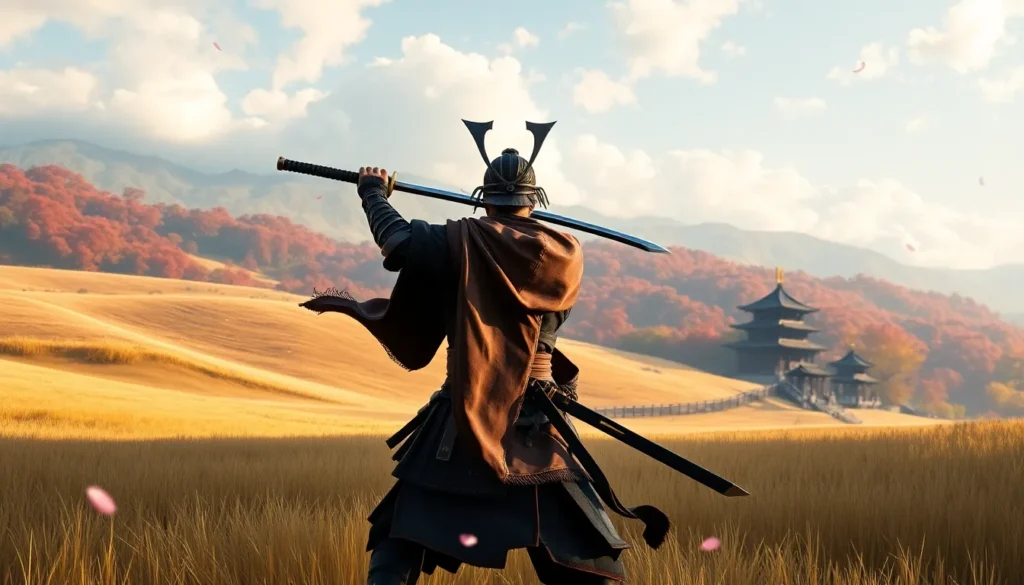


Ghost of Tsushima for beginners can feel overwhelming at first. The game drops players onto a massive open-world island with samurai combat, stealth mechanics, and dozens of side activities. New players often struggle to find their footing among all these systems.
This guide breaks down the core mechanics every beginner needs to understand. From sword combat to exploration strategies, these tips will help new players survive the Mongol invasion and become a legendary warrior. Whether someone prefers honorable samurai duels or silent assassinations, this Ghost of Tsushima beginner guide covers everything needed to start strong.
Table of Contents
ToggleKey Takeaways
- Ghost of Tsushima for beginners becomes manageable by mastering the timing-based parry and dodge system before tackling tougher enemies.
- Switch between the four combat stances (Stone, Water, Wind, Moon) to counter specific enemy types efficiently and avoid wasting stamina.
- Follow the guiding wind, yellow birds, and foxes to discover valuable resources, shrines, and hidden collectibles across the island.
- Complete Bamboo Strikes and visit Hot Springs early to permanently increase your resolve and maximum health.
- Experiment with both Samurai and Ghost playstyles—a hybrid approach lets beginners thin enemy groups with stealth before engaging in direct combat.
- Equip Traveler’s Attire while exploring to reveal nearby collectibles, then switch to combat armor before fighting enemies.
Understanding the Core Combat System
Ghost of Tsushima uses a timing-based combat system that rewards patience over button mashing. Players must learn to read enemy attacks and respond with well-timed parries or dodges.
The parry mechanic serves as the foundation of all combat in Ghost of Tsushima for beginners. Pressing L1 just before an enemy strike lands deflects the attack and creates an opening for a counterattack. Early enemies telegraph their moves clearly, giving players time to react. Later foes attack faster and use unblockable moves marked by red or blue glints.
Dodging works best against unblockable attacks. A quick tap of the circle button sidesteps most strikes, while holding it performs a roll for greater distance. Roll away from heavy attacks and sidestep lighter ones to stay close and punish enemies.
Perfect parries and perfect dodges slow time briefly. This window lets players land free hits or reposition. Practicing these techniques against common Mongol soldiers builds muscle memory before tougher fights.
Standoffs offer a high-risk, high-reward option at the start of combat. Holding Triangle initiates a duel where Jin faces one enemy directly. Releasing Triangle at the right moment kills the enemy instantly. Upgrades later allow players to chain multiple standoff kills, clearing groups quickly.
Mastering Stances and When to Use Them
Ghost of Tsushima features four combat stances, and beginners need to understand when each one works best. Switching stances mid-fight gives players a huge advantage against mixed enemy groups.
Stone Stance starts unlocked and works best against swordsmen. These common enemies appear throughout the game. Stone Stance heavy attacks break their guard quickly, leaving them open for follow-up strikes.
Water Stance excels against shieldsmen. Normal attacks bounce off shields, but Water Stance cuts through their defenses. Players unlock this stance by observing or killing Mongol leaders.
Wind Stance counters spearmen effectively. These enemies have long reach and fast attacks. Wind Stance kicks stagger spearmen and create openings for quick combos.
Moon Stance handles brutes, the large enemies with heavy weapons. Their attacks hit hard but leave them vulnerable to Moon Stance’s powerful strikes.
Holding R2 opens the stance selection wheel, slowing combat briefly. Beginners playing Ghost of Tsushima should practice switching stances constantly. Fighting a shieldsman with Stone Stance wastes time and stamina. The right stance makes every enemy manageable.
Upgrading stances through the skill tree adds new attacks and increases stagger damage. Prioritize upgrades for stances that match common enemies in the current region.
Exploring Tsushima Island Effectively
The island of Tsushima rewards exploration at every turn. Ghost of Tsushima for beginners becomes much easier once players understand how to find valuable resources and activities.
The guiding wind system replaces traditional waypoint markers. Swiping up on the touchpad summons wind that blows toward the current objective. Yellow birds lead to hidden collectibles and points of interest. Foxes guide players to Inari Shrines that increase charm slots. Following these animal guides pays off significantly.
Bamboo Strikes appear as small training grounds across the map. Completing these button-input challenges increases maximum resolve, the resource used for healing and special attacks. Ghost of Tsushima beginners should complete every Bamboo Strike they find.
Hot Springs restore health and increase maximum health permanently. Look for steam rising from pools near mountains and cliff sides. Haiku locations let players compose poems while unlocking new headbands.
Mongol territories contain supplies, resources, and gear. Liberating these camps opens up fast travel points and removes enemy patrols from the area. Larger camps offer better rewards but feature tougher enemies.
Survivors and side characters offer Tales, side quests with unique rewards. Mythic Tales provide legendary techniques and armor sets that change gameplay significantly. These longer questlines deserve priority whenever they appear.
Upgrading Your Gear and Abilities
Ghost of Tsushima uses multiple upgrade systems that beginners should understand early. Smart resource spending makes combat much smoother.
Technique Points unlock new abilities in the skill tree. Players earn these by completing quests, liberating camps, and finding collectibles. The skill tree splits into three categories: Deflection, Evasion, and Ghost techniques. Early players benefit most from Deflection upgrades that improve parry windows.
Supplies and other materials upgrade armor and weapons at vendors. Each armor set offers different bonuses, some favor stealth, others boost combat effectiveness. Upgrading a favorite armor set early provides substantial stat increases.
Charms slot into armor and provide passive bonuses. Players find charms at shrines, from quests, and hidden throughout the world. Some charms increase melee damage while others improve stealth or healing. Ghost of Tsushima for beginners works best with charms that match the player’s preferred style.
Sword Kits and other cosmetics change appearance without affecting stats. Collect these freely without worrying about mechanical impact.
The Traveler’s Attire deserves special mention. This armor highlights nearby collectibles and artifacts on the map. Wearing it while exploring speeds up the collection process significantly. Switch to combat armor before engaging enemies.
Resolve management matters in every fight. Healing costs resolve, but so do powerful special attacks. Beginners should save resolve for healing until they feel comfortable with combat timing.
Choosing Between Samurai and Ghost Playstyles
Ghost of Tsushima lets players approach combat as an honorable samurai or a deadly ghost. Beginners should experiment with both styles to find what feels right.
The Samurai playstyle focuses on direct combat. Players challenge enemies openly, use standoffs, and defeat foes through superior swordsmanship. This approach feels cinematic and satisfying. Samurai-focused players should invest in Deflection techniques and wear armor that boosts melee damage.
The Ghost playstyle emphasizes stealth and assassination. Players sneak through camps, kill enemies silently, and use tools like smoke bombs and kunai. Ghost techniques unlock powerful abilities like chain assassination. This approach clears camps faster but requires patience and positioning.
Most Ghost of Tsushima beginners find a hybrid approach works best. Start encounters with stealth to thin enemy numbers, then fight remaining foes directly. This strategy reduces the risk of getting surrounded while still enjoying the combat system.
Ghost weapons provide tactical options regardless of playstyle:
- Kunai interrupt enemy attacks and deal quick damage
- Smoke Bombs allow escapes or set up stealth kills
- Sticky Bombs damage groups of enemies
- Wind Chimes distract enemies and create openings
The game’s story touches on the tension between these approaches. Jin struggles with abandoning samurai honor to save his people. Players can lean into either direction without gameplay penalties, the story adapts to reflect their choices.
Difficulty settings affect how forgiving combat feels. Beginners struggling with timing should try lower difficulties until parrying becomes natural. The game remains enjoyable at any setting.