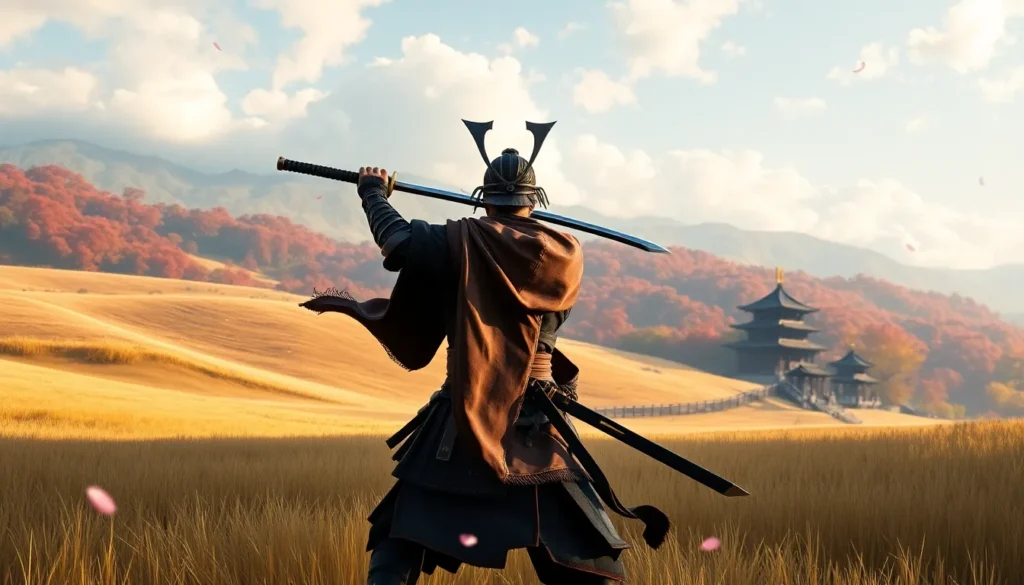


This Ghost of Tsushima guide covers everything players need to dominate feudal Japan. Sucker Punch Productions created an open-world samurai experience that rewards skill, patience, and smart resource management. Whether players struggle with combat timing or want to find every hidden shrine, this guide breaks down the core systems. Jin Sakai’s journey from honorable samurai to ruthless Ghost requires mastering multiple gameplay mechanics. The tips below will help players survive the Mongol invasion and liberate Tsushima island.
Table of Contents
ToggleKey Takeaways
- Master the four combat stances (Stone, Water, Wind, Moon) and switch between them mid-fight to counter different enemy types effectively.
- Prioritize smoke bomb upgrades early—a fully upgraded smoke bomb lets you assassinate up to three enemies during the confusion.
- Complete Mythic Tales as soon as possible to unlock legendary armor sets and powerful techniques that dramatically improve combat.
- Use Focused Hearing (hold touchpad) to scout enemy camps before engaging, revealing patrol paths and key targets through walls.
- Follow foxes to Inari Shrines and visit Hot Springs regularly to increase charm slots and maximum health throughout your playthrough.
- This Ghost of Tsushima guide recommends unlocking all four stances first and investing in Deflection skills to make combat significantly easier.
Combat Fundamentals and Stances
Combat in Ghost of Tsushima rewards precision over button mashing. Players should learn the parry and perfect parry systems early. A standard parry blocks incoming attacks and creates brief openings. A perfect parry, timed right before impact, staggers enemies and opens them to devastating counterattacks.
The stance system forms the backbone of effective combat. Jin learns four stances throughout the game:
- Stone Stance works best against swordsmen and is the default starting stance
- Water Stance breaks through shields with heavy attacks
- Wind Stance counters spearmen effectively
- Moon Stance staggers brutes and heavy enemies
Players should switch stances mid-combat to match enemy types. Holding R2 and pressing the corresponding face button makes switching instant. Fighting a group with mixed enemy types? Switch stances between kills to maintain momentum.
Standoffs offer a high-risk, high-reward option at the start of encounters. Jin challenges enemies to a duel, and releasing the attack button at the right moment scores an instant kill. Upgraded standoffs let players chain multiple kills. Missing the timing, but, means taking damage before combat even starts.
The Resolve system ties directly to combat performance. Jin earns Resolve by landing attacks, parrying, and killing enemies. Resolve heals Jin mid-fight and powers special techniques. Running low on Resolve during a boss fight often means death. Players should build Resolve against weaker enemies before engaging leaders.
This Ghost of Tsushima guide recommends practicing against Mongol patrols before tackling story missions. Each patrol provides safe practice for stance switching and parry timing.
Stealth and Ghost Weapons
Jin’s transformation into the Ghost unlocks stealth options that feel very different from honorable samurai combat. Stealth kills remove enemies silently and work from behind, above, or from tall grass. Players can clear entire camps without raising alarms.
Ghost weapons expand tactical options significantly:
- Kunai interrupt enemy attacks and deal quick damage to multiple targets
- Smoke Bombs break enemy lock-on and allow escape or assassination chains
- Sticky Bombs deal heavy damage to groups and stagger larger enemies
- Wind Chimes lure enemies to specific locations for easy stealth kills
The Ghost of Tsushima guide suggests prioritizing smoke bomb upgrades early. A fully upgraded smoke bomb lets Jin assassinate three enemies during the confusion. This single tool trivializes many difficult encounters.
Chain assassinations unlock through the Ghost skill tree. Jin can kill multiple enemies in sequence if they stand close together. Combined with wind chimes, players can group enemies and eliminate three or four with one chain.
Focused Hearing reveals enemy positions through walls. Holding the touchpad shows enemy outlines, patrol paths, and key targets. Smart players scout camps completely before engaging.
The blowgun and longbow add ranged options. Headshots kill most standard enemies instantly. The longbow pierces armor and works against helmet-wearing Mongols. Players should craft ammunition regularly, running out mid-infiltration forces messy improvisation.
Stealth builds remain viable throughout the entire game. Some players complete Ghost of Tsushima without ever fighting fair.
Exploration and Side Content
Tsushima island contains hundreds of points of interest beyond the main story. The guiding wind system points players toward objectives without cluttering the screen with waypoints. Swiping up on the touchpad summons the wind and reveals the current destination.
Foxes lead Jin to Inari Shrines. Following a fox and honoring the shrine increases charm slots. Charms provide passive bonuses like increased health, better parry windows, or enhanced stealth. More charm slots mean more stacking bonuses.
Bamboo Strikes test reflexes and reward Resolve upgrades. These minigames require players to input button sequences quickly and accurately. Completing all Bamboo Strikes significantly increases Jin’s maximum Resolve.
Hot Springs provide health upgrades. Jin reflects on story events while soaking, and maximum health increases permanently. The Ghost of Tsushima guide recommends visiting hot springs between major story beats.
Haiku spots let players compose poems and unlock headbands. These quiet moments offer breaks from combat and showcase the island’s beauty.
Mythic Tales represent the best side content. These quests send Jin after legendary armor sets and techniques. The Heavenly Strike technique and Kensei armor come from Mythic Tales. Players should prioritize these quests, the rewards dramatically improve combat effectiveness.
Lighthouses, Shinto Shrines, and Mongol Territories round out exploration objectives. Liberating territories clears fog from the map and unlocks fast travel points. A systematic approach to clearing each region makes later travel much faster.
The game rewards curiosity. Golden birds lead to nearby points of interest. Following them often reveals hidden shrines or resources.
Upgrading Jin and Managing Resources
Jin’s progression spans multiple systems. Technique Points unlock new abilities across samurai, stance, Ghost, and mythic skill trees. Main story missions and liberating territories provide Technique Points.
This Ghost of Tsushima guide suggests these upgrade priorities:
- Unlock all four stances first, combat difficulty drops significantly
- Invest in Deflection skills, the parry window upgrades save lives
- Get Chain Assassination early, stealth becomes much more powerful
- Grab Standoff upgrades, clearing three enemies before combat starts changes encounters
Armor sets offer different playstyles. The Samurai Clan armor boosts melee damage and health. The Ghost armor improves stealth kill speed and reduces detection. The Ronin Attire speeds up health recovery. Players can switch armor freely based on the current objective.
Upgrading armor requires supplies, leather, silk, and gold. Supplies come from liberating farms and collecting from the open world. Leather drops from predators like bears and boars. Silk appears in Mongol camps and strongholds. Gold sits in gift altars and important locations.
Sword upgrades increase base damage and unlock new Kit appearances. The Ghost of Tsushima guide recommends prioritizing sword upgrades, higher damage shortens every fight.
Ghost weapons need their own upgrade materials. Bamboo, yew wood, and black powder improve kunai, smoke bombs, and explosive capacity. Players should collect materials while exploring rather than grinding specific spots.
The Traveler’s Attire reveals nearby collectibles on the map. Wearing this armor while exploring makes finding upgrade materials much easier. Switch to combat armor before engaging enemies.
Saddle upgrades improve horse health and unlock horse charge attacks. A fully upgraded horse survives longer in combat zones and helps Jin escape dangerous situations.