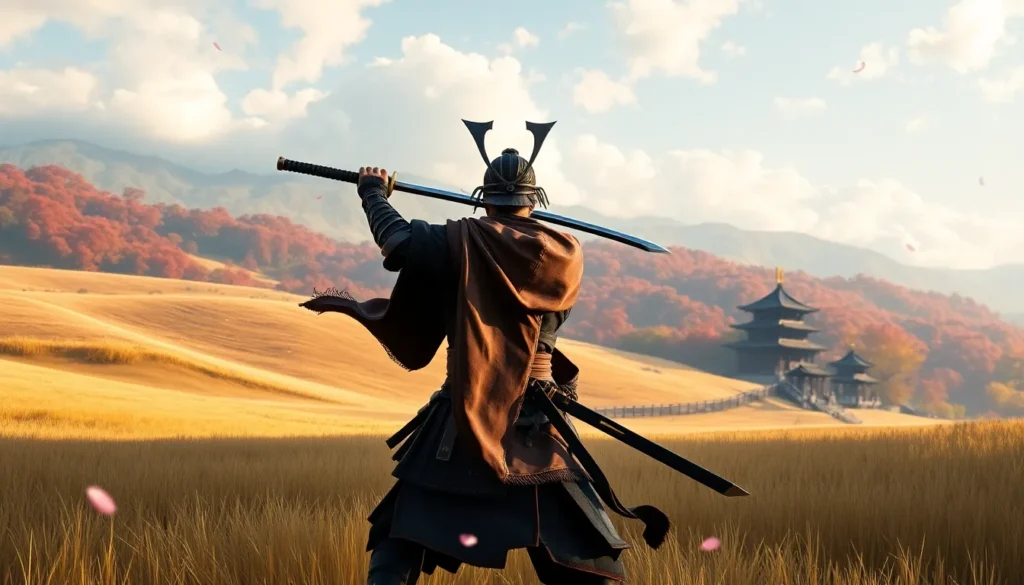


Ghost of Tsushima tips can transform a struggling samurai into a legendary warrior. This open-world action game from Sucker Punch Productions demands skill, strategy, and patience. Players control Jin Sakai as he fights to liberate Tsushima Island from Mongol invaders. The game rewards those who master its combat systems, explore thoroughly, and adapt their playstyle to different situations. Whether players prefer honorable sword duels or deadly stealth attacks, these strategies will help them conquer every challenge the island presents.
Table of Contents
ToggleKey Takeaways
- Master all four combat stances (Stone, Water, Moon, Wind) early, as switching between them mid-fight is essential for handling mixed enemy groups effectively.
- Perfect parries and well-timed dodges create devastating counterattack opportunities—practice these defensive moves before tackling harder content.
- Use the Guiding Wind feature and follow golden birds and foxes to discover hidden resources, shrines, and collectibles across Tsushima Island.
- Visit hot springs and complete Bamboo Strike challenges regularly to permanently boost your maximum health and Resolve.
- Ghost weapons like kunai, smoke bombs, and wind chimes can turn overwhelming encounters into manageable fights—keep them fully stocked.
- Match your armor set to your current objective, whether you’re exploring, fighting head-on, or using stealth tactics for maximum efficiency.
Combat Techniques to Dominate Every Battle
Combat in Ghost of Tsushima revolves around timing, stance selection, and reading enemy movements. Players who master these elements will cut through Mongol forces with ease.
Learn the Four Stances
The game features four combat stances: Stone, Water, Moon, and Wind. Each stance works best against specific enemy types. Stone Stance breaks through swordsmen’s defenses. Water Stance counters shielded enemies effectively. Moon Stance demolishes brute enemies with heavy weapons. Wind Stance disrupts spearmen before they can attack.
Players should switch stances mid-combat by holding R2 and pressing the corresponding button. This technique lets Jin handle mixed enemy groups without retreating. Observing and killing Mongol leaders unlocks stance upgrades faster, so prioritize those targets during camp raids.
Perfect Parry and Dodge Timing
Blocking works, but perfect parries create openings for devastating counterattacks. Players should watch for the glint of an incoming strike and press L1 at the exact moment. A successful parry staggers the enemy and leaves them vulnerable.
Dodging serves as the primary defense against unblockable attacks marked by red indicators. Roll away from heavy strikes, then close the distance immediately. Ghost of Tsushima tips from veteran players emphasize practicing these defensive moves early. The timing window becomes more forgiving with certain charms equipped.
Standoffs and Resolve Management
Standoffs let Jin challenge enemies to one-on-one duels before battle. Hold Triangle and release when the enemy attacks. A successful standoff kills instantly and terrifies nearby foes. Upgraded standoffs can eliminate multiple enemies in sequence.
Resolve powers healing and special attacks. Players earn Resolve by killing enemies, parrying, and landing hits. Save at least one Resolve bar for emergency healing during boss fights. Kunai and bombs also help manage crowds when Resolve runs low.
Exploration and Resource Management
Tsushima Island holds countless secrets for players willing to explore. Resources scattered across the map fund upgrades that make Jin stronger.
Follow the Guiding Wind
The Guiding Wind feature points players toward objectives, collectibles, and points of interest. Swipe up on the touchpad to summon a gust that shows the way. Players can customize the wind to track specific resources like bamboo, flowers, or Mongol artifacts.
Golden birds lead Jin to hidden locations. Yellow birds reveal undiscovered content nearby. Foxes guide players to Inari Shrines that expand charm slots. Following these animal guides pays off with valuable rewards.
Prioritize Key Resources
Supplies and materials have different uses. Supplies upgrade sword damage and armor stats. Predator hides, bamboo, and yew wood improve ranged weapons and tools. Flowers unlock new cosmetic dyes at merchants.
Players should clear Mongol territories systematically. Liberating farms and villages restores them as fast travel points and resource sources. The Legend system rewards exploration with Technique Points, so thorough players level up faster.
Visit Hot Springs and Bamboo Strikes
Hot springs permanently increase maximum health. These locations appear as leaf icons on the map after discovery. Bamboo Strike challenges test button input speed and reward Resolve increases. Both activities stack benefits that make late-game content much easier.
Mastering Stealth and Ghost Tactics
Jin’s Ghost abilities offer alternatives to direct combat. Stealth kills reduce enemy numbers before open fights begin.
Assassinate from the Shadows
Crouching near enemies enables assassination prompts. Chain assassinations unlock later and let Jin kill multiple targets quickly. Tall grass, rooftops, and dark corners provide cover for approach.
Ghost of Tsushima tips for stealth players: always scout camps before attacking. Use the Photo Mode camera to spot enemy positions without triggering alerts. Tag enemies with the bow to track their movements.
Ghost Weapons Change Everything
Kunai interrupt enemy attacks and kill weakened foes instantly. Smoke bombs break combat and allow escape or assassination chains. Sticky bombs deal massive damage to groups. Wind chimes distract guards and create openings.
Players should keep Ghost weapons stocked by looting bodies and supply crates. These tools turn impossible odds into manageable encounters. The Ghost stance, unlocked in Act 2, terrifies enemies and creates mass panic during battles.
Balance Honor and Efficiency
The story frames Ghost tactics as dishonorable, but the game never penalizes players for using them. Mixing stealth and direct combat provides the most flexibility. Start encounters silently, then switch to swordplay when discovered.
Upgrading Your Gear and Abilities Efficiently
Smart upgrade choices accelerate Jin’s growth. Players should focus resources on equipment that matches their playstyle.
Armor Sets for Every Situation
Each armor set provides unique bonuses. The Traveler’s Attire reveals collectibles and clears fog faster. Samurai Clan Armor increases health and damage for direct fighters. Ghost Armor reduces detection speed and boosts stealth kills. Ronin Attire improves healing effectiveness.
Players can switch armor anytime outside combat. Matching armor to the current objective saves time and frustration. Upgrading favorite sets to maximum level unlocks powerful final bonuses.
Technique Point Allocation
Technique Points unlock new abilities across three trees: Samurai, Stance, and Ghost. Early points should go toward health increases, stance unlocks, and assassination upgrades. Later investments depend on preferred combat style.
Ghost of Tsushima tips suggest unlocking all four stances before deep-diving into other trees. Stance variety matters more than individual stance mastery in most fights.
Charms and Ranged Weapons
Charms provide passive bonuses when equipped. Inari Shrines unlock additional charm slots. Combine charms that complement each other, stack damage bonuses or mix defensive options for survivability.
The bow serves both combat and exploration purposes. Upgrade the Half Bow for quick shots and the Longbow for distant targets. Explosive and fire arrows unlock through progression and deal heavy damage to armored enemies.