

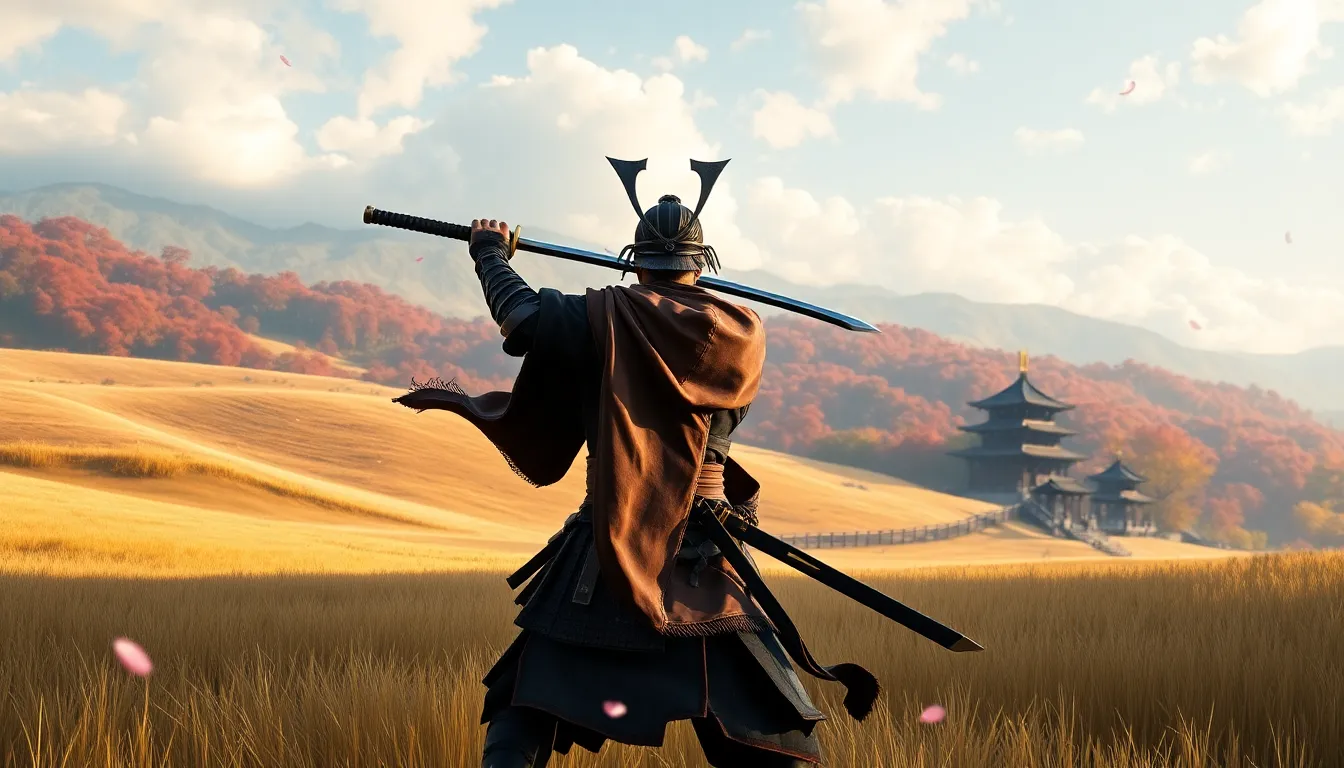
Ghost of Tsushima remains one of the most celebrated action-adventure games of recent years. Players step into the role of Jin Sakai, a samurai fighting to protect his homeland during the Mongol invasion of 1274. The game blends intense sword combat with a stunning open world and a deeply personal story.
This guide covers the top Ghost of Tsushima tips, features, and highlights that every player should know. Whether someone is just starting their journey or returning for another playthrough, these insights will help them get the most out of Tsushima Island.
Table of Contents
ToggleKey Takeaways
- Mastering the four combat stances (Stone, Water, Wind, Moon) is essential for defeating different enemy types in Ghost of Tsushima.
- Top Ghost of Tsushima armor sets like Sakai Clan, Ghost Armor, and Tadayori’s Armor should be chosen based on your preferred playstyle—melee, stealth, or archery.
- The Guiding Wind system replaces traditional waypoints and can be customized to lead you to collectibles, side quests, or hidden locations.
- Prioritize Fox Dens, Bamboo Strikes, and Hot Springs early to unlock charm slots, increase resolve, and boost maximum health.
- Mythic Tales offer unique abilities and gear while delivering some of the top Ghost of Tsushima storytelling moments.
- Don’t rush the Tales of Tsushima side quests—characters like Lady Masako and Sensei Ishikawa provide deeply emotional storylines that enrich the overall experience.
Essential Combat Techniques to Master
Combat in Ghost of Tsushima rewards patience and precision. Button mashing won’t work here. Players need to learn the core mechanics to survive encounters with Mongol soldiers.
Stances Make All the Difference
The game features four combat stances: Stone, Water, Wind, and Moon. Each stance works best against specific enemy types. Stone stance breaks through swordsmen’s defenses. Water stance handles shielded enemies. Wind stance counters spearmen effectively. Moon stance staggers brute enemies.
Players should switch stances mid-combat to match their opponents. Holding R2 and watching enemy movements reveals the best stance to use. Mastering stance switching is one of the top Ghost of Tsushima skills that separates good players from great ones.
Perfect Parry and Perfect Dodge
Timing is everything. A perfect parry, blocking at the exact moment an attack lands, opens enemies to devastating counterattacks. Perfect dodges work similarly, creating opportunities for quick strikes.
Practice these techniques against smaller groups first. The timing window is tight but becomes second nature with repetition. Both moves also look incredibly cinematic, which adds to the satisfaction.
Standoffs and Assassinations
Standoffs let Jin challenge enemies to one-on-one duels. Hold Triangle and release it the moment the enemy moves. A successful standoff kills instantly and can chain to multiple enemies with the right upgrades.
Stealth assassinations offer another powerful option. Clearing camps quietly before engaging in open combat gives players a significant advantage. The ghost weapons, kunai, smoke bombs, and sticky bombs, support both playstyles effectively.
Best Armor Sets and Upgrades
Ghost of Tsushima offers numerous armor sets, each providing unique bonuses. Choosing the right armor for each situation makes a noticeable difference in gameplay.
Top Armor Choices
The Sakai Clan Armor boosts melee damage and health. It’s ideal for players who prefer direct combat. The set becomes available through the main story and remains useful throughout the game.
The Ghost Armor reduces enemy detection speed and increases terror. This set shines during stealth missions and ghost-style gameplay. Players earn it later in the story.
The Tadayori’s Armor improves archery significantly. It increases nocking speed and headshot damage. Archers should prioritize finding this set through its associated Mythic Tale.
The Kensei Armor offers balanced stats and boosts resolve gains. It works well for players who rely heavily on special attacks and healing.
Upgrading Gear
Visit armorers and swordsmiths regularly. Upgrades require supplies, leather, silk, and other materials found throughout Tsushima. Upgraded armor provides better defense and enhanced special abilities.
Charms also deserve attention. These accessories slot into armor and provide passive bonuses. Combining the right charms with the right armor creates powerful builds. The Charm of Inari, which increases resources gained, helps with early-game grinding.
Players exploring the top Ghost of Tsushima content should experiment with different armor and charm combinations. The game rewards creativity.
Exploring the Open World Effectively
Tsushima Island is gorgeous. The art direction creates landscapes that look like living paintings. But beauty aside, the open world contains countless activities and secrets worth discovering.
Follow the Guiding Wind
The game replaces traditional waypoints with the Guiding Wind system. Swiping up on the touchpad summons wind that points toward the current objective. This design keeps the screen free of clutter and encourages natural exploration.
The wind can also guide players to specific activities. In the options menu, players can set the wind to lead them to collectibles, side quests, or undiscovered locations.
Prioritize Certain Activities
Fox Dens lead to Inari Shrines, which grant additional charm slots. More slots mean more customization options. Players should complete these early.
Bamboo Strikes increase resolve, which powers healing and special attacks. These quick minigames test reflexes but offer valuable rewards.
Hot Springs boost maximum health permanently. They’re scattered across the map and provide moments of calm reflection, literally, as Jin contemplates his journey during each visit.
Shinto Shrines often require light platforming to reach. They reward players with powerful charms. The views from these shrines also showcase the top Ghost of Tsushima visual design.
Mythic Tales
These special quests tell legendary stories and reward unique gear or abilities. The Heavenly Strike, Explosive Arrow, and Dance of Wrath techniques come from Mythic Tales. Players should pursue these quests whenever they appear. The stories themselves rank among the game’s best content.
Standout Story Moments and Side Quests
Ghost of Tsushima tells a compelling story about honor, sacrifice, and identity. Jin’s transformation from honorable samurai to feared ghost creates genuine emotional tension.
Main Story Highlights
The relationship between Jin and his uncle, Lord Shimura, forms the story’s emotional core. Their conflicting views on honor drive the narrative forward. Several key confrontations between them rank among the top Ghost of Tsushima moments.
The siege sequences showcase the game’s scale. Watching Mongol forces overwhelm samurai defenses establishes real stakes. Later missions where Jin strikes back feel earned because of this setup.
Without spoiling specifics, the ending presents players with a meaningful choice. Both options carry weight and reflect the themes explored throughout the game.
Memorable Side Content
The Tales of Tsushima quests flesh out supporting characters. Lady Masako’s quest line, involving her hunt for those who betrayed her family, delivers emotional storytelling. Sensei Ishikawa’s missions explore the consequences of teaching deadly skills to the wrong person.
Norio’s tale examines faith and violence. Yuna’s story reveals her past and deepens her bond with Jin. Each character arc offers hours of quality content.
The Mythic Tales, mentioned earlier, blend gameplay rewards with fantastic storytelling. The Tale of Ryuzo deserves special mention for how it ties into the main narrative.
Players seeking the top Ghost of Tsushima experience shouldn’t rush through these side stories. They add depth and context that enrich the overall adventure.